Introduction
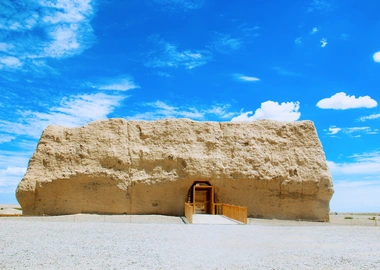
Standing in the arid desert of northwestern Gansu, Yumen Pass is more than an ancient gate. It was a vital checkpoint on the Silk Road, controlling the flow of people, goods, and cultures for centuries.
Why It Matters
- Historic Role: Known as the “Gateway of the Jade Road,” it was key for transporting jade and other goods from Central Asia.
- Symbol of the Frontier: Part of the Great Wall defense system, it marked the border of the Chinese empire.
Key Features
- Remote Atmosphere: Its isolated, wind-swept location offers a powerful sense of history.
- Remaining Structures: See the main pass gate, remnants of walls, and a Han-dynasty beacon tower.
- Silk Road Feel: Walking here, you tread the same path as ancient traders and travelers.
Visitor Tips
- Go Early/Late: Avoid midday heat; sunrise or sunset light is stunning.
- Prepare: Bring water, sun protection, and wear good shoes. It’s remote and dry.
- Combine Trip: Often visited with nearby Yangguan Pass and the Mogao Caves in Dunhuang.
Final Thought
Yumen Pass isn’t about grandeur. It’s about feeling the vastness of history at the edge of empires, where the Silk Road began its journey west.
Location: Near Dunhuang, Gansu Province.
Best For: History enthusiasts and those seeking a raw connection to the Silk Road.